
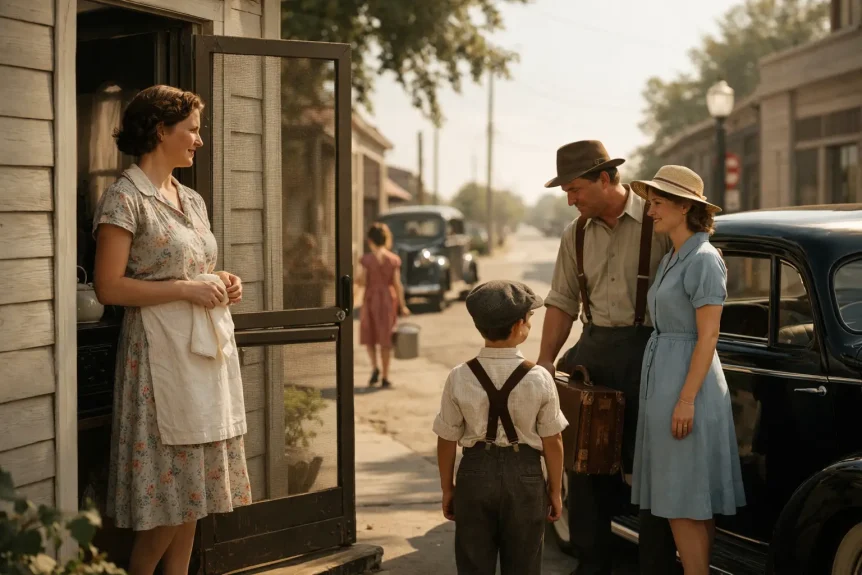
Life in the 1930s: What Daily Life Felt Like
A decade can live in the heart for a lifetime. For many older adults, or for families helping preserve a loved one’s story, Life in the 1930s is more than a chapter in a history book. It was a time marked by hardship, resourcefulness, close family ties, and routines that looked very different from our own.
When families talk with an aging parent or grandparent, memories of the 1930s often surface in vivid and personal ways. A certain recipe, a hand-sewn dress, the sound of radio programs in the evening, or the habit of saving every scrap of string can all trace back to a period when waste was unthinkable and stability was never taken for granted. Understanding that world can help families connect more deeply with the people they love.
What life in the 1930s was really shaped by
To understand daily life in that decade, it helps to begin with the reality that defined it: the Great Depression. Jobs disappeared, banks failed, and many families had to make do with far less than they had known before. Even households that stayed afloat often lived with constant uncertainty.
That pressure affected nearly everything. Food was stretched. Clothing was mended and remade. Children learned early that comfort came second to necessity. In many homes, every purchase had to be justified, and every belonging had to last.
Still, hardship was not the whole story. Life in the 1930s also carried strong habits of togetherness. Families often depended on one another in practical ways. Grandparents, parents, and children might all share a home or live very close by. Neighbors helped with meals, errands, and childcare. Community was not a lifestyle trend. It was part of survival.
Home and family life in the 1930s
Most households in the 1930s were centered firmly around the home. For women, especially, daily life often involved cooking from scratch, washing clothes by hand or with basic machines, cleaning, mending, and caring for children or older relatives. For men who had work, days were often long and physically demanding. For those who did not, the strain of unemployment could weigh heavily on the whole family.
Children were expected to contribute. They helped with chores, looked after younger siblings, gathered eggs, carried water, or worked small jobs when they could. Leisure existed, but responsibility came first.
Homes themselves were usually simpler than what many people know today. Central air conditioning was rare. Many families relied on wood stoves, iceboxes, and shared bedrooms. A house did not need to be large to be full. What mattered was whether it could shelter the family and support daily routines.
This is one reason older adults from that generation, or those raised by parents shaped by it, may place such deep value on order, thrift, and routines. These were not preferences formed by convenience. They were learned responses to uncertainty.
Work, money, and making things last
In the 1930s, having a job was never something people took lightly. Work meant more than income. It meant dignity, security, and the chance to provide. Because jobs were hard to find, people often accepted whatever honest work they could get, even if it paid little or was far below their previous station.
Families became highly skilled at stretching what they had. Leftovers were repurposed into new meals. Flour sacks became clothing, towels, or pillowcases. Shoes were repaired instead of replaced. Gardens were common not because they were fashionable, but because they helped feed the household.
That mindset left a lasting mark. Many seniors still carry Depression-era habits in small but telling ways. They may save wrapping paper, reuse containers, or feel uneasy about waste. What can seem unusual to younger generations often reflects deep memory, discipline, and gratitude for having enough.
Food, meals, and everyday comfort
Meals in the 1930s were usually plain, filling, and carefully planned. Beans, potatoes, bread, seasonal vegetables, and whatever meat was available often formed the backbone of family cooking. Desserts existed, but they were modest and not always frequent.
For many families, food represented care in its most immediate form. A warm biscuit, a pot of soup, or a shared supper after a hard day brought comfort in ways that went beyond nutrition. The table was where news was shared, children were corrected, prayers were offered, and family identity was reinforced.
That emotional connection to meals still matters today, especially in senior care settings. Familiar foods can bring reassurance, spark memories, and support a sense of home. For someone living with memory loss, even the smell of cornbread or the sight of a favorite dish can help create moments of recognition and calm.
School, childhood, and growing up fast
Childhood in the 1930s was often more structured and more demanding than many people imagine. Some children walked long distances to school. Others had interrupted education because their labor was needed at home. Supplies were limited, and clothing for school might be minimal or handed down several times.
At the same time, children found joy where they could. They played outside, invented games, listened to stories, and made entertainment from whatever was available. Toys were often homemade. Special occasions felt truly special because they were rare.
This balance of seriousness and simple delight shaped a generation known for resilience. Many people who remembered the 1930s also remembered learning patience, respect, and gratitude early in life. Those qualities were not taught only in words. They were practiced daily.
Entertainment and connection during life in the 1930s
Even in a difficult decade, people made room for music, laughter, and shared experiences. The radio became a centerpiece of family entertainment. Families gathered to hear news, dramas, comedy shows, and music programs. In many homes, listening together was an event.
Movies also offered a brief escape from economic stress. For a small cost, a person could step into another world for a couple of hours. Sports, church socials, community events, and front-porch conversations also helped people feel connected.
Because technology was limited, entertainment was often more communal. People sang together, played instruments, talked face to face, and spent time with neighbors. There is a lesson in that for modern families. Meaningful connection does not always require something elaborate. Often it begins with presence, patience, and shared attention.
Why these memories matter for older adults today
For families supporting an aging loved one, understanding past decades can do more than satisfy curiosity. It can open a door. Memories from early life are often especially durable, even when recent memory becomes harder to hold. That is one reason conversations about childhood, family traditions, music, meals, and routines can feel so grounding.
When someone remembers Life in the 1930s, they are not just recalling national events. They may be remembering their mother ironing at dawn, their father worrying over bills, the smell of a garden after rain, or the pride of getting through hard times together. These memories carry emotion, identity, and belonging.
In Memory Care especially, honoring those personal histories matters. The most supportive environments do not treat the past as distant or irrelevant. They recognize that a person’s early experiences continue to shape how comfort, trust, and home are felt in the present.
What families can learn from life in the 1930s
There is real wisdom in this decade, even for those who never lived it. The 1930s remind us that dignity is not built by abundance alone. It is built by purpose, routine, care, and human connection. They also remind us that small comforts matter deeply when life feels uncertain.
For adult children making care decisions, this perspective can be valuable. A loved one may not need flashy features or constant activity to feel secure. They may respond more strongly to warmth, consistency, good meals, familiar rhythms, and a setting that feels genuinely lived in. In places such as Cooperwood Senior Living, that understanding can shape a more personal and reassuring experience for both residents and families.
The 1930s were undeniably hard. But they also produced extraordinary endurance, loyalty, and appreciation for home. When we listen closely to the stories of that era, we do more than learn history. We honor the strength that carried a generation forward, and we make space for that strength to be seen with tenderness today.