
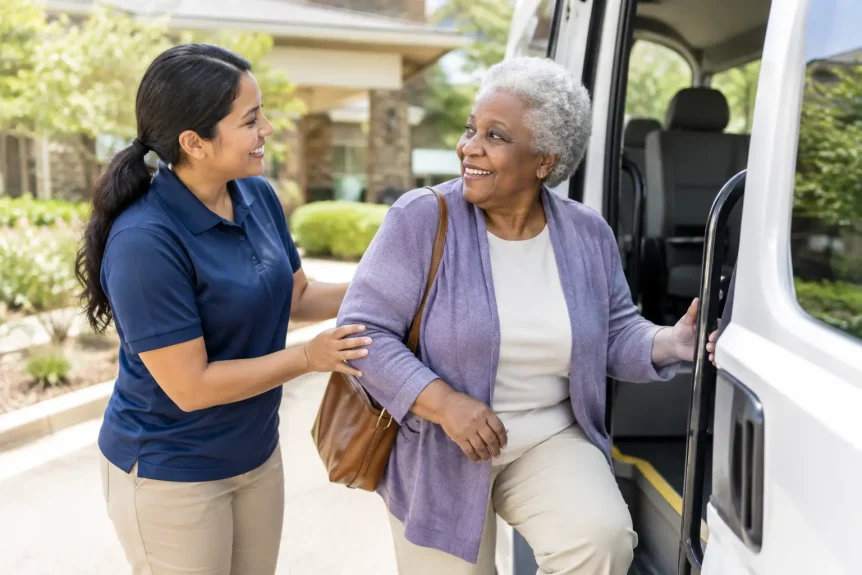
Does Assisted Living Offer Transportation?
A missed doctor’s appointment, an empty prescription bottle, or a loved one giving up a favorite lunch with friends can make transportation feel like more than a practical concern. One of the first questions families ask is, “Does assisted living offer transportation?” Often, yes. But the type of transportation, its availability, and what is included can vary meaningfully from one community to another.
For older adults, reliable rides can preserve routines, relationships, and a sense of independence. For families, they can ease the pressure of coordinating every appointment around work, childcare, and distance. The right senior living community treats transportation as part of a larger commitment to wellness, safety, and a life that still feels full.
Does Assisted Living Offer Transportation for Residents?
Many assisted living communities provide scheduled transportation for residents, particularly for medical appointments, shopping trips, social outings, and community events. This service is designed to help residents remain connected to the people, places, and care they need without relying on driving.
That said, “transportation available” can mean different things. One community may offer a regular shuttle for local errands and group outings, while another may provide transportation only on certain days or for appointments arranged in advance. Some services are included in the monthly rate; others may carry an additional charge, especially for individual trips or destinations farther away.
The most helpful approach is to ask for specifics early. Families deserve to know not only whether a community has a vehicle, but whether the service will realistically support their loved one’s routines.
Why Transportation Matters So Much in Assisted Living
Giving up the car keys can be one of the hardest transitions in later life. Driving is closely tied to freedom: the ability to decide when to run an errand, attend church, visit friends, or pick up a prescription. When driving no longer feels safe, dependable transportation can help replace some of that lost independence with confidence and support.
It also protects health. Older adults may need frequent visits with primary care providers, specialists, dentists, physical therapists, or pharmacies. When transportation is difficult, appointments can be delayed or skipped. A community that helps residents get where they need to go can reduce a very real barrier to consistent care.
Just as importantly, transportation can support emotional well-being. A ride to a local restaurant, a community event, or a favorite store is not simply an outing. It is an opportunity to remain engaged with the world beyond one’s apartment. For a resident who has felt isolated at home, that connection can be deeply meaningful.
What Transportation Services May Include
Assisted living transportation commonly falls into two categories: planned group trips and individual appointments. Group transportation may take residents to local shopping, dining, cultural events, or seasonal activities. These outings often add a welcome social dimension, especially for residents who enjoy shared experiences.
Individual transportation may be available for medical and personal appointments. However, communities may set boundaries around how far they travel, how much notice is required, and whether a team member can accompany the resident inside the appointment. A resident who needs hands-on support navigating a clinic, communicating with providers, or managing mobility equipment may need a different level of assistance than transportation alone provides.
Medical needs matter here. If a loved one uses a wheelchair, oxygen, or other equipment, ask whether vehicles and procedures can safely accommodate them. If they have memory loss, ask how the community approaches appointments and outings for residents who may become disoriented in unfamiliar settings. The answer should feel thoughtful, individualized, and centered on dignity.
Questions to Ask During a Senior Living Tour
Transportation is easiest to understand when families ask direct, practical questions. During a tour, it can help to ask how far in advance rides must be scheduled, which destinations are covered, and whether there are limits on the number of trips each month.
You may also want to ask whether transportation is included in the monthly fee, if there are added costs for private appointments, and what happens when a resident has an urgent but non-emergency need. Communities should clearly explain that emergency transportation is different from scheduled rides. In an emergency, residents should call 911 or receive immediate support according to the community’s safety procedures.
Ask to see the transportation calendar if one is available. A calendar can reveal whether outings happen regularly and whether they reflect residents’ interests. It is also worth asking how staff communicate appointment times, especially if your loved one benefits from reminders or help preparing to leave.
Finally, consider the full picture of your family’s needs. If you live nearby and enjoy taking your parent to appointments, community transportation may supplement the care you already provide. If you live out of town or have limited flexibility during the workday, dependable scheduled transportation may be a much more central part of your decision.
Transportation Is Helpful, but It Is Not the Whole Care Plan
A transportation program is valuable, but it should not be the only reason to choose an assisted living community. The more meaningful question is whether the community understands your loved one as a whole person.
Does the team know their preferences, routines, and health needs? Is there support with daily activities when it is needed? Are meals, activities, social opportunities, and wellness services thoughtfully woven into daily life? Does the community feel warm and personal, rather than transactional?
Transportation works best when it is part of that larger experience. A ride to an appointment is more reassuring when a resident has a caring team helping them feel prepared. An outing is more enjoyable when it begins and ends in a place where residents feel known, welcomed, and at home.
For someone living with cognitive decline, the conversation may require added care. Memory Care communities often have more structured schedules and safety considerations for outings. Family members should ask how off-site activities are supervised, how residents are supported in unfamiliar environments, and how the community balances engagement with safety.
A Better Way to Think About Independence
Families sometimes worry that accepting transportation means a loved one is losing independence. In reality, the opposite can be true. When an older adult no longer has to manage traffic, weather, vehicle maintenance, or the stress of driving alone, they may have more energy for the parts of life they enjoy.
Supportive transportation allows independence to take a new form. It can mean choosing to attend a medical appointment without asking a busy family member to leave work. It can mean joining friends for lunch, getting to a salon appointment, or taking part in an outing without feeling like a burden.
The goal is not to make every day identical to life before assisted living. The goal is to create a life with fewer obstacles and more opportunities for comfort, wellness, and connection.
Finding the Right Fit in Flowood
When comparing senior living options in Flowood, transportation should be discussed alongside care, dining, activities, safety, and the feeling of the community itself. A polished brochure or a parked community van does not tell the whole story. The most useful answers come from a conversation about your loved one’s actual needs and the rhythms of their life.
At Cooperwood Senior Living, families are encouraged to ask the questions that matter most, including how a community can support appointments, meaningful outings, and the everyday moments that help a resident feel secure and connected. A personal tour offers the chance to see whether the environment feels like a true home distinguished by comfort, wellness, and love.
The right community will never make you feel rushed for asking detailed questions. It will welcome them, because peace of mind often begins with knowing your loved one has a safe way to keep going where life calls them.