
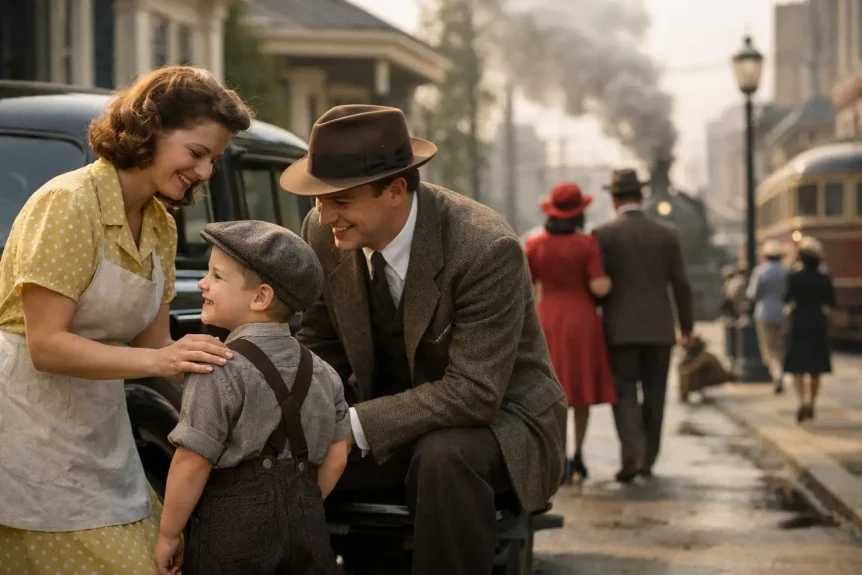
What Life in the 1940s Was Really Like
For many older adults, memories of life in the 1940s are not distant history. They are deeply personal moments – listening to radio programs in the living room, saving ration stamps in the kitchen, writing letters to loved ones overseas, and finding comfort in family routines during uncertain times. For families today, understanding that era can open the door to meaningful conversation, stronger connection, and a deeper appreciation for the resilience that shaped a generation.
The 1940s were defined by both hardship and hope. World War II changed daily life across the United States, including small towns and close-knit Southern communities. Even after the war ended, its effects stayed woven into everyday routines. People learned to live with less, value togetherness, and find joy in simple things. Those experiences often remain vivid for seniors, especially when familiar music, stories, or household objects bring them back.
Why life in the 1940s still matters today
When families ask an older loved one about childhood or early adult years, the 1940s often become a natural place to begin. These memories can be especially meaningful because they are tied to strong emotion, repetition, and family identity. A song, a recipe, or the mention of a train station can bring back details that seemed forgotten.
For older adults living with memory loss, long-term memories are often easier to access than recent ones. That is one reason conversations about the 1940s can be so comforting. They can restore a sense of familiarity and dignity, offering a chance for a loved one to share what they remember best. Instead of focusing only on what has changed, families can connect through what still feels present and meaningful.
Daily life in the 1940s
Daily life moved at a slower, more hands-on pace than it does now. Most households did not have the conveniences people take for granted today. Many families cooked every meal at home, mended clothing, grew vegetables, and reused household items instead of replacing them. Waste was discouraged not just by values, but by necessity.
Children usually had chores, and adults often balanced work with a long list of home responsibilities. Washing clothes, preparing meals, preserving food, and keeping a household running required time and effort. In many homes, routines were steady and practical. Those routines created structure, and structure created comfort.
Money was often tight, even for hardworking families. The Great Depression had officially ended, but its habits remained. People were careful with spending and taught children to appreciate what they had. That mindset stayed with many older adults for the rest of their lives, which helps explain why some seniors still value thrift, order, and simple pleasures so deeply.
Life in the 1940s during wartime
No description of life in the 1940s is complete without understanding the impact of World War II. The war touched nearly every American household in some way. Men left home for military service. Women took on new jobs in factories, offices, and transportation. Children collected scrap metal, rubber, and paper to support the war effort. Even daily meals were shaped by shortages and rationing.
Ration books became a normal part of life. Families used stamps to buy items such as sugar, coffee, butter, meat, and gasoline. People planned carefully, substituted ingredients, and made do with what was available. It was inconvenient, but it also built a strong sense of shared purpose. Neighbors understood that everyone was sacrificing together.
The emotional toll was just as significant. Families waited for letters. They listened closely to news reports. They celebrated victories and grieved losses. In many communities, service flags hung in windows to show that a loved one was serving in the military. Even those who were very young at the time often remember the mood of the country – serious, patriotic, anxious, and determined.
Home, family, and community
Family life in the 1940s was often centered around the home in a very direct way. Entertainment happened there. Meals happened there. News arrived there. Without smartphones, streaming, or constant digital distraction, families spent more time talking, listening, and doing things together.
The radio was one of the most important parts of the household. Families gathered to hear music, comedy programs, dramas, sports, and wartime updates. For many, radio voices felt like trusted companions. After the war, more families began buying televisions, but radio still shaped much of the decade.
Community bonds were also strong. Churches, schools, front porches, and neighborhood stores created regular contact. People knew one another’s routines and often stepped in to help when needed. That closeness did not erase hardship, and not every family experienced the decade the same way. Race, income, geography, and military service all shaped daily reality. Still, for many people, the 1940s reinforced the idea that community mattered and that people could get through difficult times together.
Work, roles, and changing expectations
The 1940s were a turning point in American work life. Before the war, many women were expected to focus mainly on home and family. During the war, women entered the workforce in far greater numbers, filling roles that had long been held by men. The cultural image of “Rosie the Riveter” captured that shift, but the real change was broader and more personal than a poster.
For many women, wartime work brought pride, income, and a new sense of capability. After the war, some returned to homemaking while others wanted to keep working. That tension shaped the years that followed. Older women who lived through that period often carry both stories – one of duty at home and one of strength in the workplace.
Men returning from war also faced major adjustments. Reentry into civilian life could bring relief, but also stress, grief, or a sense of disorientation. The public language around trauma was different then, and many veterans carried difficult memories quietly. Families often learned to support one another without always having the words to explain what they had been through.
School, childhood, and simple fun
For children, the 1940s could feel serious and playful at the same time. They understood that the world was at war, but they still played outside, rode bikes, listened to serial programs, and made games out of whatever was available. Childhood was less scheduled than it is now, and entertainment often required imagination rather than purchased experiences.
Schooldays were structured, with an emphasis on discipline, handwriting, memorization, and patriotism. Children might participate in war bond drives or classroom projects tied to the national effort. At home, they were often expected to help in practical ways.
Simple pleasures stood out. A Saturday matinee, a favorite candy bar, a new song on the radio, or time with cousins could become treasured memories. That may be one reason why stories from the 1940s often feel so vivid. Joy was not built around abundance. It was found in small, meaningful moments.
Food, fashion, and entertainment
Food in the 1940s reflected both scarcity and creativity. Home cooks stretched ingredients, used leftovers carefully, and relied on casseroles, soups, garden produce, and baked goods made from what they had. Family recipes from that era often tell a larger story about resilience.
Fashion was also shaped by wartime limits. Fabric conservation influenced hemlines, cuts, and details. Clothing was expected to last. People repaired shoes, altered garments, and dressed with care because replacing items was not always easy.
Entertainment offered relief. Big band music, swing dancing, movie theaters, comic strips, and radio shows gave people something uplifting to hold onto. That emotional comfort matters even now. Music and familiar cultural references from the 1940s can still spark recognition, conversation, and calm in older adults, especially in supportive settings that value the person behind the diagnosis.
What families can learn from the 1940s
When families understand life in the 1940s, they often understand their loved one more fully. A parent or grandparent who saves wrapping paper, dislikes waste, values routine, or speaks with deep loyalty about family may be carrying lessons from that decade. These are not random preferences. They are reflections of a life shaped by uncertainty, discipline, service, and gratitude.
Asking about those years can lead to rich conversation. What did dinner look like? What songs were playing? Who lived in the home? What did they do for fun? Which memories still feel close? These gentle questions can offer comfort and create moments of connection that feel less like caregiving and more like family.
For families walking through aging or memory loss, that kind of connection matters. It reminds everyone that a loved one is more than a set of needs. They are a whole person with a story worth hearing. In communities that honor dignity and belonging, those stories help create a true sense of home.
The 1940s were not easy years, but they shaped a generation marked by strength, sacrifice, and heart. When we make space for those memories, we do more than revisit history. We show older adults that the life they lived still matters, and that their story still has a place at the center of family life.