
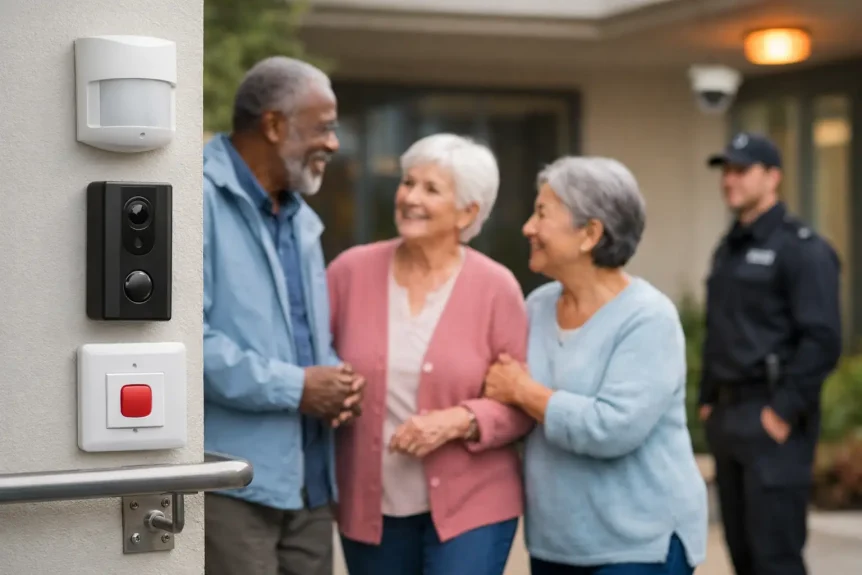
Senior Community Safety Features That Matter
A beautiful community can make a powerful first impression, but families also need to look beyond the finishes and ask a more personal question: Will my loved one be safe here while still feeling at home? The best senior community safety features do more than prevent emergencies. They support confidence, preserve dignity, and give residents the freedom to enjoy each day with the right level of help nearby.
For families considering Assisted Living or Memory Care, safety should never feel cold or institutional. It should be thoughtfully woven into daily life, from the way a hallway is lit to the way caregivers respond when a resident’s needs change. Here is what to look for as you evaluate a community for someone you love.
Safety Starts With Thoughtful Community Design
Safety begins long before a caregiver enters the room. A well-designed senior living community makes it easier for residents to move comfortably through their day, whether they are heading to a meal, visiting with friends, or returning to their apartment after an activity.
Clear, uncluttered pathways can reduce trip hazards, while steady handrails offer reassuring support in hallways and common areas. Good lighting matters just as much. Shadows, glare, and poorly lit transitions between rooms can make it harder for older adults to judge depth or notice obstacles. Comfortable lighting that brightens key areas without feeling harsh helps residents stay oriented and move with greater confidence.
Bathrooms deserve close attention, too. Features such as accessible showers, grab bars, slip-resistant flooring, and easy-to-reach fixtures can make a meaningful difference in everyday routines. These details are practical, but they also protect privacy. A resident who can safely complete more of their personal care independently often feels more at ease.
Outdoor spaces should receive the same careful consideration. Level walking paths, shaded seating, secure entrances, and visible routes back into the community allow residents to enjoy fresh air and connection without unnecessary risk. The goal is not to limit movement. It is to create an environment where movement feels supported.
The Senior Community Safety Features Families Should Ask About
A tour is the right time to ask direct questions. A community should be comfortable explaining how its systems work, who is responsible for them, and how safety plans are adjusted for individual residents.
Trained caregivers who are present and attentive
Technology can be helpful, but it cannot replace compassionate, well-trained people. Families should understand how caregivers are prepared to assist with mobility, personal care, medication routines, changes in health, and urgent situations. It is also worth asking how the team communicates during shift changes and how families are notified when there is a concern.
The strongest care teams do not simply react to a fall, illness, or change in behavior. They notice the smaller signs that may come first, such as a resident becoming less steady on their feet, missing meals, appearing unusually tired, or withdrawing from activities. Early attention can prevent a small concern from becoming a larger one.
Emergency response that is easy to access
Residents should be able to call for help without having to search for it. Personal emergency call systems, accessible pull cords, and call buttons in bedrooms and bathrooms can provide immediate reassurance. Just as important is the response process behind those tools. Ask who answers alerts, how quickly staff respond, and what happens if emergency medical care is needed.
A good emergency plan also considers weather events, power outages, fire safety, and medical emergencies. In Mississippi, severe weather planning is especially relevant. Families can ask how residents are guided to safe areas, how medications and essential supplies are protected, and how the community keeps loved ones informed during an event.
Medication support with clear safeguards
Medication management is often one of the reasons families seek Assisted Living. Missed doses, duplicate doses, or confusion around changing prescriptions can create real risks. A community’s medication process should be organized, consistent, and supervised by qualified staff.
Ask how medications are stored, administered, documented, and reviewed. If a resident is able to manage some medications independently, the right approach may look different than it does for someone who needs complete support. Individualized care matters here. Safety should meet the resident where they are, rather than taking away independence that can still be maintained responsibly.
Secure access without a locked-away feeling
Controlled entry points, visitor procedures, and monitored access can help protect residents from unfamiliar visitors or unsafe wandering. Yet the experience should still feel welcoming to family and friends. A thoughtful community balances protection with hospitality, making it easier for loved ones to visit and remain part of a resident’s life.
For Memory Care, secure access has an added purpose. A person living with Alzheimer’s disease or another form of dementia may become disoriented and attempt to leave in search of a familiar place or person. Purposefully designed, secured neighborhoods help reduce that risk while allowing residents to move about in a comfortable, home-like setting.
Memory Care Requires a Different Layer of Protection
Memory loss can change how a person recognizes danger, communicates discomfort, or finds their way through a familiar space. That is why Memory Care safety cannot be limited to locks and alarms. It should be built around understanding the resident as a whole person.
Visual cues, familiar routines, calming spaces, and consistent caregiving can reduce confusion and anxiety. Staff should be trained to approach residents with patience, redirect rather than confront, and recognize that an unexpected behavior may be an expression of fear, pain, hunger, fatigue, or overstimulation.
Dining and daily activities are also part of safety. A resident with cognitive decline may need gentle reminders to eat, drink water, attend to hygiene, or rest. Meaningful activities can provide structure and connection while giving caregivers regular opportunities to observe a resident’s well-being.
Families should ask how the community develops individualized care plans and how those plans evolve. Dementia is not a single experience, and a resident’s needs may shift over time. The right Memory Care setting has the structure to respond while continuing to honor the person’s history, preferences, and dignity.
Safety Is Also About Health, Connection, and Daily Routine
It is easy to think of safety only in terms of falls, emergencies, and secured doors. Those protections are essential, but isolation can also affect a senior’s well-being. When someone spends long periods alone, skips meals, becomes less active, or loses confidence in daily tasks, physical and emotional concerns can grow quietly.
A strong community creates natural opportunities for connection. Shared dining, planned activities, wellness support, and casual conversations with familiar team members can help residents stay engaged. Regular contact also means there are more caring eyes available to notice when something is different.
That does not mean every resident needs a busy calendar or constant social interaction. Some people thrive in a lively setting, while others prefer quiet routines and a smaller circle. Safety should respect personality and choice. The point is to ensure that a resident is known, seen, and supported rather than left to navigate challenges alone.
How to Evaluate Safety During a Tour
As you walk through a community, pay attention to what you can observe without asking. Are floors clear and well maintained? Do residents appear comfortable moving through shared spaces? Are caregivers visible, calm, and engaged with the people around them? Does the environment feel orderly without feeling restrictive?
Then ask practical questions. Learn how the community handles falls, medication changes, medical appointments, hospital returns, and emergencies. Ask whether care plans are reviewed regularly and how families are included in important conversations. If your loved one has memory loss, ask specifically about training, supervision, secure areas, and strategies for moments of confusion or distress.
Trust the feeling of the visit as well. Policies matter, but so does the human experience behind them. A community can have every safety measure on paper and still fall short if residents are not treated with warmth, patience, and respect.
At Cooperwood Senior Living, safety is part of creating a true home distinguished by comfort, wellness, and love. Families in Flowood and surrounding communities deserve a setting where attentive care and thoughtful design work together, so their loved one can feel protected without losing the everyday pleasures that make life meaningful.
The right community will not ask your family to choose between security and dignity. It will make room for both, offering the reassurance of capable care while helping your loved one continue to live with comfort, connection, and a sense of belonging.